Muscle Cars: Power and Performance in the 1960s
The 1960s marked a transformative period in the American automotive landscape, characterized by a surge in performance-oriented vehicles that came to be known as muscle cars. This era, often celebrated for its bold styling and raw power, saw Detroit manufacturers engage in intense competition to produce the fastest and most formidable production cars. The term ‘muscle car’ typically refers to a mid-sized car fitted with a large-displacement V8 engine, designed for straight-line acceleration and road dominance. The phenomenon was not merely about speed; it reflected a broader cultural shift towards individualism and technological bravado, resonating with a generation that valued power and performance as symbols of freedom and innovation. While the exact origins are debated, the movement gained significant momentum in the mid-1960s, with brands vying for supremacy on both the showroom floor and the drag strip. This article explores the key elements that defined this golden age, from the engineering marvels under the hood to the stylistic choices that set these cars apart, and considers the lasting impact on the automotive industry and popular culture.
The rise of muscle cars was facilitated by a unique set of market and technological conditions. The post-war economic boom in the United States had created a prosperous middle class with disposable income, particularly among younger buyers who sought excitement and distinction. Automakers, recognizing this demand, developed platforms that could accommodate powerful engines without sacrificing everyday usability. Advances in engine design, such as overhead valve (OHV) technology and high-performance camshafts, allowed for substantial increases in horsepower. Simultaneously, improvements in tires, suspension, and braking systems became necessary to manage the newfound power, although often lagging behind engine developments. The competitive environment among Detroit’s ‘Big Three’ – General Motors, Ford, and Chrysler – was intense, with each company striving to outdo the others in both performance metrics and marketing campaigns. This rivalry, often dubbed the ‘horsepower wars’, escalated throughout the decade, leading to a rapid evolution of engine options, from small-block to big-block V8s, and a constant redefinition of what constituted a true muscle car.
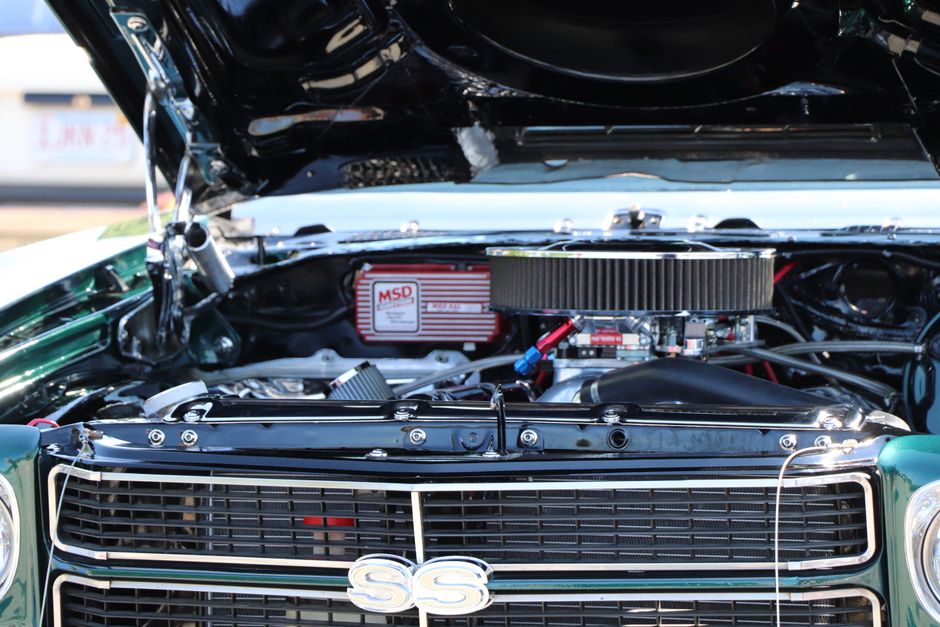
One of the most significant engineering achievements of this era was the development of large-displacement engines, commonly known as big-blocks. These engines, typically with displacements exceeding 400 cubic inches (6.5 liters), were designed to produce immense torque and horsepower, making them ideal for drag racing and highway cruising. Engineers employed various techniques to enhance performance, including high-compression ratios, four-barrel carburetors, and performance-oriented camshafts. The result was a generation of cars that could accelerate from 0 to 60 mph in under seven seconds, a remarkable feat at the time. However, these powerplants were not without challenges. Their substantial weight affected handling and braking, and fuel consumption was notoriously high, as was emissions output. Nevertheless, the focus remained on raw power, with enthusiasts and manufacturers alike celebrating the numbers that emerged from dynamometer tests. The big-block engine became a symbol of excess and capability, embodying the spirit of the era.
Aggressive styling was another hallmark of 1960s muscle cars, serving both functional and aesthetic purposes. Designers employed a range of visual cues to convey performance, including long hoods, short rear decks, and prominent scoops or vents. These features were not merely decorative; they often aided engine cooling or air intake, contributing to performance. The use of bold colors, racing stripes, and distinctive badging further set these vehicles apart, creating a strong visual identity that appealed to buyers. The design philosophy varied among manufacturers, with some favoring a more understated approach while others embraced flamboyant aesthetics. For instance, the Pontiac GTO, often credited as one of the first muscle cars, featured a modest appearance that belied its performance, whereas the Plymouth Road Runner offered a more stripped-down, no-frills package with a cartoonish logo. Regardless of the approach, the styling of muscle cars played a crucial role in their market appeal, making them instantly recognizable and aspirational objects.
The horsepower wars among Detroit’s automakers were characterized by a relentless pursuit of performance specifications that could be marketed to consumers. Each model year brought more powerful engines, often as options in otherwise standard models, allowing buyers to configure their cars with high-performance packages. This strategy created a sense of exclusivity and competition, as enthusiasts sought to own the fastest car on the block. The rivalry extended to the drag racing scene, where factory teams and aftermarket tuners pushed the limits of production-based vehicles. Notable examples include the Ford Mustang, which offered the 428 Cobra Jet engine, and the Chevrolet Camaro, available with the 396 and 427 cubic inch engines. Chrysler’s Mopar division introduced the legendary 426 Hemi, which became synonymous with drag racing success. These offerings were not just about numbers; they represented a philosophy of performance that was accessible on the street and track. The competition also spurred innovation in other areas, such as limited-slip differentials, heavy-duty suspensions, and upgraded brakes, although these were often optional extras rather than standard equipment.
The influence of muscle cars extended beyond performance and styling, shaping the cultural and social landscape of the 1960s. They became symbols of youthful rebellion and independence, often featured in films, music, and literature. The cars appeared in popular movies such as ‘Bullitt’ and ‘The Italian Job’, which showcased their capabilities and coolness. They were also central to the emerging drag racing culture, with dedicated venues and events drawing large crowds. However, by the end of the decade, several factors began to temper the enthusiasm. Rising insurance rates, particularly for high-performance vehicles, and increasing safety and emissions regulations pressured automakers to tone down their aggressive postures. The oil crisis of the early 1970s further accelerated the decline of the classic muscle car era. Despite these challenges, the legacy of these vehicles endured, influencing subsequent performance cars and fostering a dedicated enthusiast community that preserves and restores these icons. The muscle car’s balance of power and performance, set against the backdrop of a pivotal social period, continues to fascinate collectors and historians alike.
In the context of the late 1960s, a typical muscle car offered a combination of a mid-sized body, a high-output V8 engine, and a relatively affordable price, making high performance accessible to a broad audience. The emphasis was not solely on top speed but on acceleration and driving experience, a philosophy that resonated with a generation seeking visceral thrills.
In retrospect, the muscle car era of the 1960s represents a fascinating chapter in automotive history, defined by engineering audacity, stylistic bravado, and a competitive spirit that pushed boundaries. The vehicles produced during this time were a testament to the capabilities of American manufacturing and the creative vision of designers and engineers. While the original era came to a close, the influence of muscle cars persists, with modern reinterpretations and a thriving restoration culture. The emphasis on power and performance, coupled with aggressive styling, remains a benchmark for many performance vehicles today. The story of these cars is not just about raw numbers but about the cultural moment that created them and the enduring appeal of driving a machine that embodies both power and freedom. As we look back, it is clear that the muscle car was more than a mode of transport; it was a statement of identity and a celebration of human ingenuity.