Steam to Gasoline: Early Engine Experiments
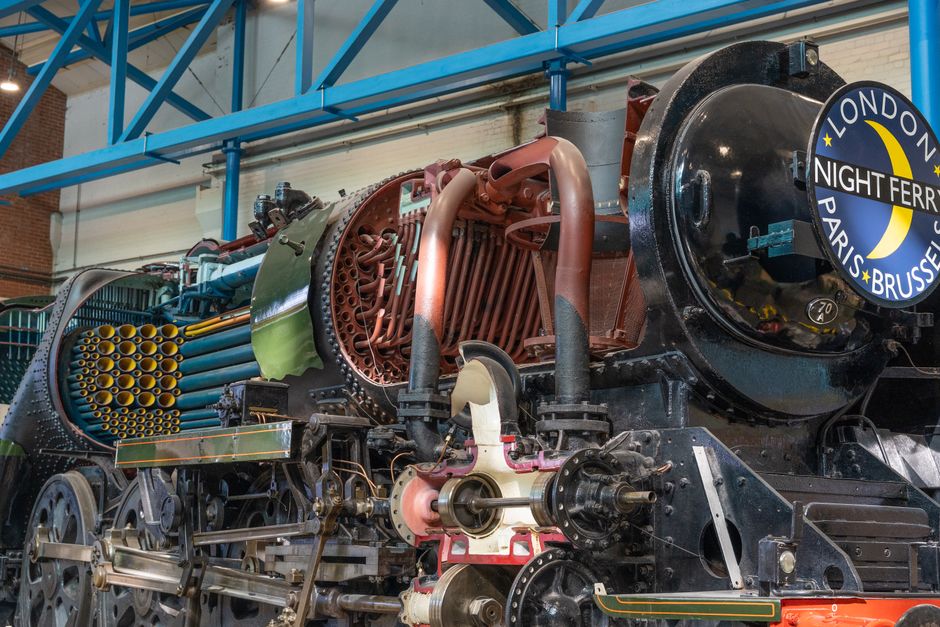
The evolution of road vehicles from steam-powered contraptions to gasoline-driven machines marks one of the most transformative periods in transport history. During the 18th and 19th centuries, inventors across Europe and America experimented with various power sources, gradually shifting from external combustion to internal combustion. This transition was not a sudden breakthrough but a series of incremental developments, each building on previous findings and often encountering formidable technical challenges.
The shift from steam to gasoline involved fundamental changes in engine design, fuel storage, and vehicle operation. Steam engines required bulky boilers, water tanks, and a lengthy warm-up period, making them impractical for personal transportation. Gasoline engines, by contrast, offered a lighter and more compact alternative, though early versions were plagued by issues such as fuel volatility and unreliable ignition. This article examines key figures and their prototypes that bridged the gap between these two technologies, laying the groundwork for the modern automobile.
The Pioneering Era of Steam-Powered Vehicles
Before the advent of gasoline engines, steam-powered vehicles dominated early experiments. Nicolas-Joseph Cugnot, a French inventor, built a steam tractor in 1769 that is often considered the first self-propelled road vehicle. His design used a steam engine mounted on a three-wheeled chassis, intended to haul artillery. Although functional, it was slow, had to stop frequently to build up steam pressure, and could not steer effectively.
In the early 19th century, British engineers such as Richard Trevithick and Walter Hancock made significant improvements to steam carriages. Trevithick’s 1801 ‘Puffing Devil’ demonstrated the potential of high-pressure steam, which reduced the size of boilers while providing adequate power. Hancock’s steam buses, operated in London during the 1830s, achieved moderate commercial success. However, these vehicles were heavy, emitted noisy steam, and required skilled operators to manage the boiler. Moreover, the need for water refills every few miles limited their practical range, and their speed was often constrained by road conditions.
The drawbacks of steam became increasingly apparent as enterprising inventors sought a more convenient power source. Steam engines had to be kept running even when the vehicle was stationary, consuming fuel unnecessarily. The long start-up time—sometimes up to 20 minutes—was a significant inconvenience for everyday use. These limitations spurred exploration into alternative power sources, particularly internal combustion engines, which promised quicker starts and greater efficiency.
The Emergence of the Internal Combustion Engine
The concept of burning fuel inside a cylinder dates back to the 17th century, but practical stationary engines emerged in the 1860s. Belgian inventor Étienne Lenoir built a two-stroke engine in 1860 that ran on illuminating gas, and he later adapted it to run on liquid fuel. Despite its low efficiency and noisy operation, Lenoir’s engine attracted attention for its potential to replace steam in small applications.
Nikolaus Otto, a German engineer, refined the design with his four-stroke engine in 1876, known as the Otto cycle. His engine compressed the fuel-air mixture before ignition, significantly improving efficiency and power output. Otto’s work laid the foundation for modern gasoline engines, though his early motors were too large and heavy for vehicular use. Nevertheless, his patents and subsequent licensing agreements influenced the development of automotive engines worldwide.
In the same period, Gottlieb Daimler and Wilhelm Maybach, former colleagues of Otto, focused on building a compact, high-speed engine suitable for vehicles. Their 1885 engine, dubbed the ‘grandfather clock’ due to its vertical cylinder, ran on gasoline and achieved speeds of 600 rpm—far higher than previous engines. This engine was installed in a bicycle, creating the first motorcycle, and later in a four-wheeled carriage in 1886.
Key Inventors and Their Prototypes
Several individuals stand out for their contributions to the transition from steam to gasoline. Karl Benz, often credited with building the first practical automobile, patented his Motorwagen in 1886. This three-wheeled vehicle was powered by a four-stroke gasoline engine of his own design, and it incorporated several innovations: a reliable ignition system, water cooling, and a differential. Benz’s early prototypes were tested on public roads and generated considerable excitement, leading to the establishment of his company, Benz & Cie.
Gottlieb Daimler, working independently, developed a similar vehicle in parallel. Daimler’s 1886 carriage, powered by his high-speed engine, featured a two-cylinder V-configuration and a simple transmission. Daimler and Maybach’s engines were often used in other inventors’ vehicles, showcasing their adaptability. Their collaboration resulted in the Daimler Motor Company, which later merged with Benz to form Daimler-Benz.
In Britain, Frederick Lanchester introduced several novel concepts in his 1896 automobile. He used a horizontally-opposed two-cylinder engine, a ball-bearing crankshaft, and a unique epicyclic gearbox. Lanchester’s focus on balance and refinement set his vehicles apart, and his innovations influenced later engine designs. Another notable British figure, Herbert Austin, experimented with gasoline engines while working at the Wolseley Sheep Shearing Company, eventually producing their first car in 1896.
The progress from steam to gasoline was not a single leap but a series of incremental steps, each inventor building on the work of predecessors while addressing specific limitations.
Challenges and Solutions in Early Gasoline Engines
Early gasoline engines faced numerous technical hurdles that required creative solutions. Fuel delivery was a primary challenge; early systems used surface carburetors, where air passed over a fuel reservoir to pick up vapor, but this method was inconsistent. Later designs introduced spray-type carburetors, such as those developed by Wilhelm Maybach in the 1890s, which mixed fuel and air more precisely, improving performance and fuel economy.
Ignition systems also evolved rapidly. The first engines used hot tubes or glow plugs, which required preheating and were hazardous. The invention of the electric spark plug by Robert Bosch in 1902, combined with the magneto ignition system, provided a reliable method of initiating combustion. This not only increased engine reliability but also made starting easier, a key advantage over steam.
Cooling systems were another area of innovation. Early engines often overheated, leading to seizures or reduced performance. Water jackets and radiators became standard, but some engineers experimented with air cooling to simplify designs. The choice between water and air cooling remains a topic of debate, though water cooling became dominant in passenger vehicles due to its ability to maintain consistent temperatures.
The Transitional Period and Its Impact on Society
The switch from steam to gasoline did not happen overnight. In the early 1900s, steam cars, such as those made by Stanley, still competed with gasoline vehicles. The Stanley Steamer was known for its smooth and quiet operation, but it lost ground due to the inconvenience of starting and the need to replenish water. Electric vehicles, with their silent motors and absence of exhaust, also vied for attention, but their limited range and long charging times were major drawbacks.
Gasoline ultimately prevailed for several reasons. Refining technology improved, making gasoline more available and affordable. The development of the electric starter motor in 1912, invented by Charles Kettering, eliminated the need for hand-cranking, which was not only arduous but also dangerous. Gasoline’s high energy density allowed for longer ranges and faster refueling, and the network of petrol stations grew as demand increased.
The social impact of this transition was profound. Automobiles became more accessible, enabling personal mobility and reshaping urban planning. The gasoline engine’s reliability and power enabled the construction of highways and the expansion of suburbs. However, this transition also brought about new challenges, such as air pollution and traffic congestion, which remain relevant today.
Conclusion
The journey from steam to gasoline encompasses a period of intense experimentation and collaboration among inventors across Europe. From Cugnot’s steam wagon to the refined gasoline engines of Daimler and Benz, each step brought new insights into thermodynamics, materials science, and practical engineering. The challenges encountered—fuel delivery, ignition, cooling—were not solved overnight but through persistent iterative development.
The early gasoline engines established fundamental principles that would guide automobile engineering for over a century. Their legacy is visible in every modern vehicle, which still relies on the core concepts of internal combustion, albeit with sophisticated electronic controls and emissions systems. The transition from steam to gasoline also set a precedent for technological shifts in transportation, underscoring the importance of adaptability and continuous improvement.
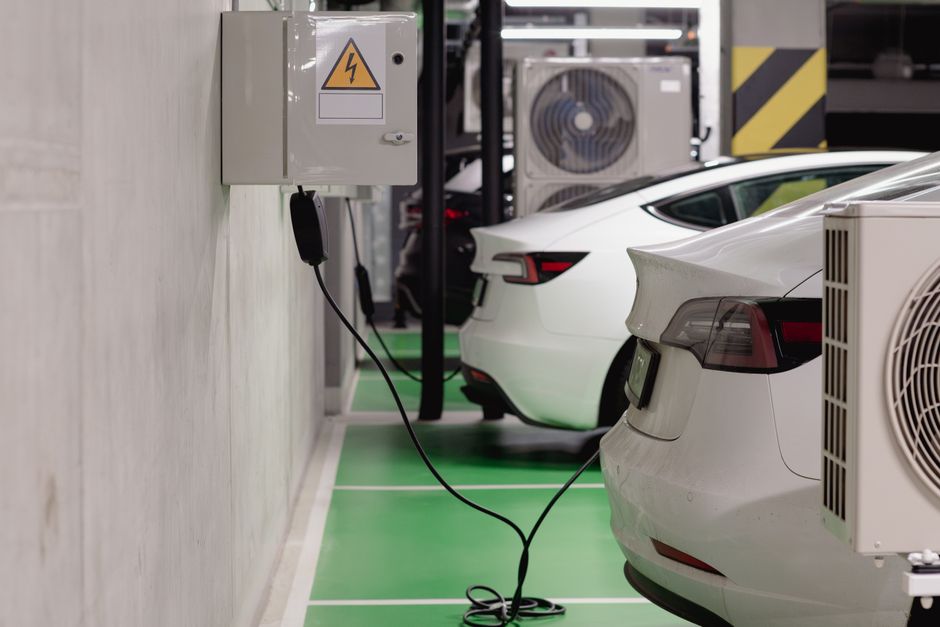
As the automobile industry now explores electric and hybrid powertrains, the lessons from this historical shift remain relevant. The move away from gasoline today mirrors the earlier change from steam, driven by environmental concerns and technological innovation. Understanding the past helps contextualize current changes, reminding us that every major transition involves a complex interplay of technical feasibility, economic viability, and societal needs.